13 November 2026
Understanding Bone Grafting Before Dental Implants Bakersfield CA
Presented by @andresidjp302
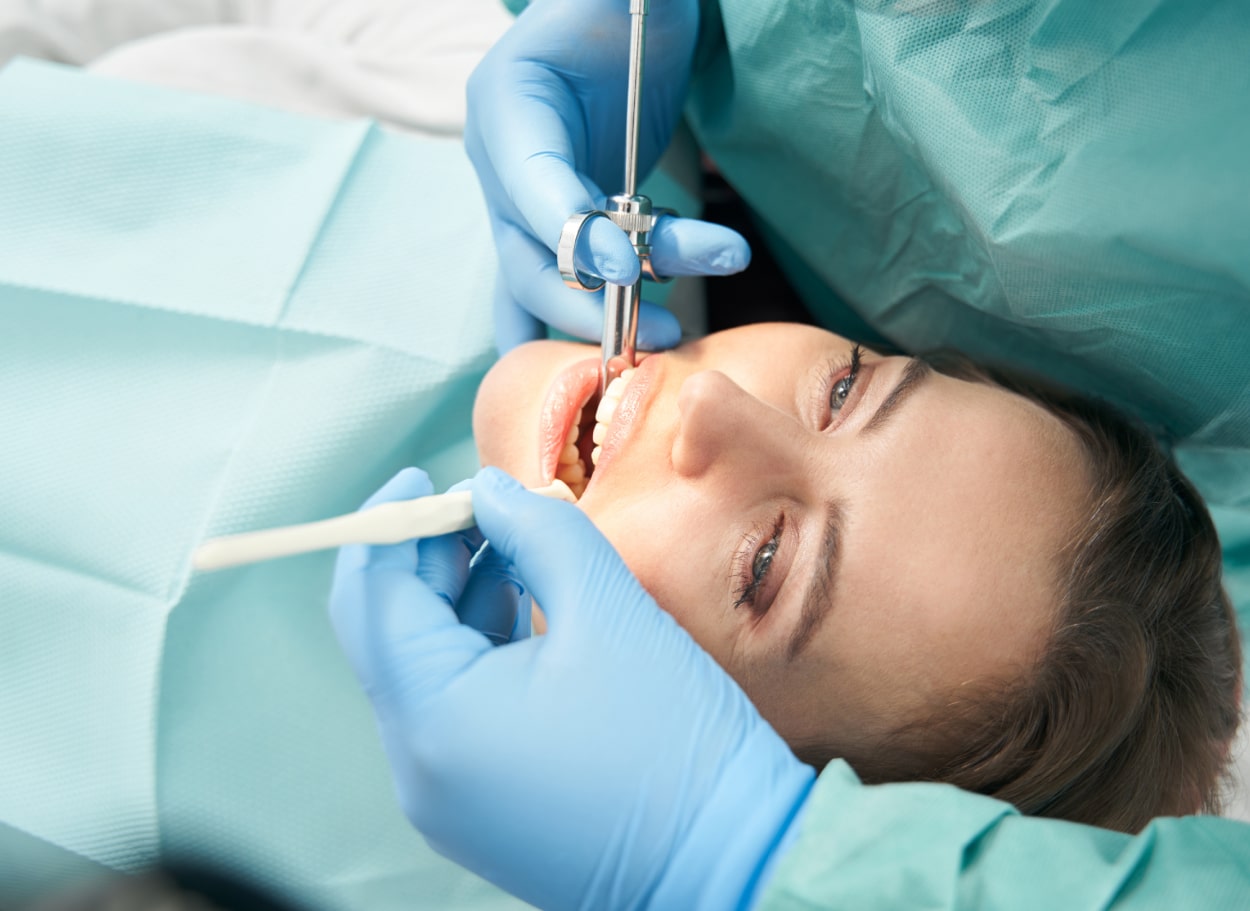
If you have been told you need a bone graft before getting a dental implant, the first reaction is often frustration. Many patients come in expecting a straightforward plan, remove the bad tooth, place the implant, move on. Then they hear a new term, bone grafting, and suddenly the timeline seems longer, the treatment sounds more complex, and the cost can feel less predictable.
That reaction is completely normal. Bone grafting is one of those parts of implant dentistry that patients rarely know much about until it applies to them personally. Yet it is often the difference between an implant that has a strong, lasting foundation and one that is placed in bone that cannot support it properly.
For people researching Dental Implants Bakersfield CA, understanding bone grafting early can save a lot of confusion. It helps you ask better questions, plan your treatment more realistically, and know why your dentist or oral surgeon may recommend waiting before the implant is placed.
Why bone matters so much for dental implants
A dental implant is not just a replacement tooth that sits on top of the gums. The implant itself is a small post, usually made of titanium, that is placed into the jawbone. Over time, the bone heals around it in a process called osseointegration. That union between bone and implant is what gives an implant its stability.
When enough healthy bone is present, implant placement is often straightforward. When bone has been lost, the situation changes. The implant may not have enough height, width, or density to hold firmly. In some areas, there may also be important anatomical structures nearby, such as the sinus in the upper jaw or the nerve canal in the lower jaw, which limit where an implant can safely go.
Bone is living tissue. It responds to pressure and use. Natural tooth roots stimulate the jawbone every time you bite and chew. Once a tooth is lost, that stimulation drops away. Over time, the bone in that area begins to shrink. The process can start surprisingly quickly, often within the first few months after an extraction, and it may continue for years.
That is why timing matters. A patient who lost a tooth last month may have a very different implant situation from someone who lost the same tooth five or ten years ago.
Why people in Bakersfield often hear about grafting after an extraction
In day-to-day practice, a few patterns come up again and again. Someone had a cracked molar for years and chewed mostly on the other side. Another person had gum disease that quietly damaged the supporting bone before the tooth was removed. Someone else had an extraction years ago and never replaced the tooth because life got busy. By the time they are ready for implants, the bone has narrowed or sunk.
The climate and lifestyle do not directly cause bone loss, but practical realities matter. People delay care for work, family, insurance timing, or simple dental anxiety. In a community like Bakersfield, where many patients have demanding schedules and physical jobs, it is not unusual for treatment to be postponed until the problem becomes harder to ignore. Bone loss rarely waits politely in the background.
This is one reason implant consultations can feel more involved than patients expect. The doctor is not only looking at the missing tooth space. They are evaluating the shape of the jaw, the quality of the remaining bone, the bite forces in that area, the health of the gums, and whether grafting could improve the long-term outcome.
What bone grafting actually means
Bone grafting sounds intimidating, but the basic idea is simple. A graft adds bone or bone-like material to an area where the jaw needs more support. The goal is to rebuild enough volume and structure so an implant can be placed safely and predictably.
That does not always mean building a large amount of new bone. In many cases, the graft is modest. After a tooth extraction, a dentist may place graft material into the socket to help preserve the ridge. In other cases, the graft is more substantial because the bone has already resorbed and needs to be rebuilt.
The graft material acts as a scaffold. Your body then remodels the area over time. Depending on the material used and the location in the mouth, the healing period may be a few months or longer.
Patients often assume that a graft is a separate, major surgery every time. Sometimes it is. Sometimes it is not. A small socket preservation graft done at the time of extraction can be relatively routine. A larger ridge augmentation or sinus lift is more involved and requires more planning.
The most common reasons a graft is recommended
A bone graft is usually recommended for one of several practical reasons:
- The tooth has been missing long enough that the ridge has become too thin or too short.
- Gum disease or infection destroyed part of the supporting bone.
- The extraction site needs to be preserved so the bone does not collapse before implant placement.
- The upper back jaw does not have enough vertical bone because the sinus sits too low.
- The implant site needs better contour for both stability and appearance, especially in the front teeth.
That last point matters more than many patients realize. In the smile zone, an implant can be technically integrated and still look disappointing if the surrounding bone and gum architecture are not right. Good implant dentistry is not only about whether the post stays in place. It is also about how the final tooth emerges through the gum and blends with the neighboring teeth.
Not all grafts are the same
One source of confusion is that "bone graft" is often used as a catch-all phrase. In reality, there are several kinds of grafting procedures, and they serve different purposes.
A socket preservation graft is done immediately after a tooth is removed. The main goal is to reduce the collapse of the extraction site. This is common when the patient wants an implant later but cannot have it placed that same day.
A ridge augmentation is used when the jaw has already lost width or height and needs more substantial rebuilding. This may involve graft material, membranes, and a healing period before the implant can be placed.
A sinus lift, sometimes called sinus augmentation, is used in the upper back jaw. After molars are lost, the sinus can expand downward and leave too little bone beneath it. The surgeon creates room and places graft material so implants can later be supported.
There are also cases where minor grafting is done at the same time as implant placement. If the implant is stable but a small defect exists around part of it, graft material may be added during the same procedure to improve the final result.
From the patient perspective, the important thing is not memorizing every term. It is understanding which problem your clinician is trying to solve and whether the graft is small, moderate, or extensive.
Where the graft material comes from
Patients often ask whether the graft is "their own bone" or something else. There are several possibilities, and the choice depends on the case, the size of the defect, the doctor’s preference, and the patient’s medical profile.
Sometimes the best option is bone taken from the patient’s own body, called an autograft. This has strong healing potential, but it requires a donor site, which adds complexity.
Other graft materials come from donated human tissue that has been carefully processed, from animal sources that are specially treated for medical use, or from fully synthetic materials. In many routine implant cases, processed graft materials are commonly used and perform well when selected appropriately.
Patients do not need to become experts in biomaterials, but they should feel comfortable asking why a certain graft is being recommended in their case. A good explanation should be plain and specific, not vague. If the answer sounds generic, keep asking.
How dentists decide if you need a graft
This decision should never be based on a quick glance alone. Clinical examination matters, but imaging is often what reveals the real picture. Standard dental X-rays can show some information, but a cone beam CT scan gives a much more complete three-dimensional view of the area. It lets the clinician assess height, width, angulation, sinus position, nerve location, and the shape of the ridge.
Many patients are surprised to learn that the outside gum can look acceptable while the underlying bone is too narrow for an implant. The reverse can also happen. An area may appear collapsed yet still have enough bone for a carefully planned implant.
This is where experience matters. A skilled implant provider is judging not only whether an implant can be placed, but whether it should be placed without first improving the site. That distinction is important. A rushed approach can create problems that are much harder to fix later.
For anyone comparing options for Dental Implants Bakersfield CA, it is worth paying attention to how the consultation is handled. If the provider takes time to explain the anatomy, show the scan, and discuss alternatives, that usually reflects a more thoughtful planning process.
Can the implant and bone graft be done at the same time?
Sometimes yes, sometimes no. This is one of the most common points of misunderstanding.
If there is enough native bone to stabilize the implant at the time of surgery, a graft can often be added around it as needed. That may shorten treatment and reduce the number of separate procedures.
If the bone is too thin, too soft, or too deficient to hold an implant securely, grafting must usually happen first, followed by a healing period. Only then is the implant placed.
Patients understandably prefer the faster option. Clinicians prefer the option that is most likely to succeed. Those priorities line up only when the anatomy allows it.
A useful analogy is building on a hillside. If the ground is stable enough, you can reinforce as you build. If it is not, you shore up the site first. Trying to save time by skipping the stabilization step often costs more time later.
What recovery feels like in real life
For a straightforward socket graft or minor grafting procedure, recovery is often easier than patients expect. Soreness, swelling, and some tenderness for a few days are typical. Many people manage well with prescribed or over-the-counter medications, soft foods, and a brief period of taking it easy.
Larger grafts can involve more swelling and a longer recovery curve. The first several days are usually the most noticeable. Most patients describe it as more inconvenient than dramatic, though that varies with the extent of surgery and the individual’s pain tolerance.
Healing is not just about comfort. Protecting the graft site matters. Chewing directly on the area too early, smoking, vigorous rinsing in the first phase, or skipping follow-up instructions can compromise the result.
One practical point that often gets overlooked is that graft healing can feel quiet. After https://brooksofir025.clearminster.com/posts/dental-implants-bakersfield-ca-for-better-quality-of-life the initial soreness fades, the area may seem normal long before it is actually ready for an implant. That is why your surgeon may want to wait several months even when you feel fine after a week or two.
The timeline patients should realistically expect
This is the part many people want simplified into a single number, but real timelines depend on the condition of the site and the type of graft.
A small socket preservation graft may heal enough for implant placement in roughly three to four months, though some cases take longer. More substantial ridge grafting may require four to six months or beyond. Sinus grafting timelines vary as well, often falling into a similar range depending on the amount of bone that needed to be created and whether the implant was placed at the same time.
Then comes implant healing. After the implant is placed, another healing period is usually needed before the final crown is attached, often several months. In selected cases, temporary restorations can be used earlier, but that depends on implant stability and bite forces.
Patients hear these ranges and sometimes think something has gone wrong if the process takes most of a year. Often nothing is wrong at all. Good implant treatment is paced around biology, not impatience. Bone heals at the speed bone heals.
Risks, trade-offs, and when grafting may not be ideal
Bone grafting is common and generally predictable when well planned, but it is still surgery. Risks can include infection, delayed healing, graft loss, exposure of membrane material, bleeding, swelling, and the possibility that the site may need additional grafting later. Smoking, poorly controlled diabetes, untreated periodontal disease, and certain medications can all complicate healing.
There are also trade-offs beyond surgical risk. Grafting can add cost. It lengthens treatment time. In some cases, a patient may be medically or financially better served by considering alternatives such as a bridge or removable prosthetic option.
That does not mean implants are a luxury choice or that grafting is excessive. It means treatment should fit the patient, not just the textbook. A healthy, motivated patient who wants a long-term fixed tooth replacement may be an excellent candidate for grafting. Another person with complex health issues and multiple failing teeth may need a broader plan before implant treatment makes sense.
One of the best signs of a trustworthy consultation is when the provider discusses what not to do as openly as what to do.
Questions worth asking before you agree to treatment
If you are considering bone grafting before Dental Implants Bakersfield CA, these questions usually lead to a more useful discussion:
- How much bone loss is present, and is it a width problem, a height problem, or both?
- Can the graft and implant be done together, or does the site need to heal first?
- What type of graft material are you recommending for me, and why?
- What is the likely healing timeline in my case?
- If I delay treatment, how might that change the plan later?
Notice that these questions are practical. They focus on the actual anatomy, the sequence of treatment, and the consequences of waiting. Those answers matter more than broad reassurance.
Cost concerns and why the cheapest path can become the expensive one
Patients are often understandably focused on price, especially when grafting gets added to an implant estimate. But bone grafting is one of those areas where cost needs to be weighed against the cost of failure.
An implant that is placed in inadequate bone and later fails is not a bargain. Removing a failed implant, managing the damage, grafting again, and starting over is usually more expensive and more stressful than doing the site development correctly the first time.
That does not mean the most expensive treatment plan is automatically the best one. It means you should understand what each fee covers. Is advanced imaging included? Are membranes, graft material, and follow-up visits part of the estimate? Is the final crown included or separate? Clarity matters.
In local markets, fees can vary based on the complexity of the case, the provider’s training, the materials used, and whether treatment is being done by a general dentist, periodontist, or oral surgeon. What should not vary is the need for a clear explanation.
What makes a good candidate for successful grafting
The patients who tend to do best are not necessarily the youngest or the ones with the simplest cases. They are usually the ones who understand the process, maintain good oral hygiene, follow instructions, and keep their follow-up appointments.
Healthy gums are a major factor. If periodontal disease is active, it needs to be controlled. Tobacco use is another critical issue. Smoking does not make success impossible in every case, but it raises risk in a way that experienced clinicians take seriously. If a patient is willing to reduce or stop smoking around the time of surgery, that can materially improve healing.
The quality of your home care also matters after the implant is restored. Bone grafting is not an isolated event. It is one phase in a longer plan to create and maintain a healthy implant site for years.
The bigger picture behind a graft recommendation
Many patients come in thinking of a missing tooth as a gap that needs filling. Clinicians think of it as a structural problem that needs the right foundation. That difference in perspective explains why bone grafting enters the conversation so often.
A well-done implant should feel stable, function comfortably, and support the surrounding gum and bone over time. Achieving that result sometimes requires patience before the implant is ever placed. The graft is not a detour from treatment. In many cases, it is part of doing the treatment properly.
For patients exploring Dental Implants Bakersfield CA, the most helpful mindset is this: do not ask only, "Can an implant fit there?" Ask, "What needs to be true for that implant to have the best chance of lasting?" Bone grafting is often the answer to that second question.
When it is recommended thoughtfully, explained clearly, and performed with good planning, it is less a complication than a preparation step. And in implant dentistry, preparation is where many of the best long-term outcomes begin.
Smyle Dental Bakersfield
2016 E St, Bakersfield, CA 93301, United States
+16614939040
FAQ About Dental Implants Bakersfield CA
What is the downside of a dental implant?
The main downsides of dental implants involve high financial costs, surgical risks, a lengthy healing process, and the potential for long-term complications.
How much does a full set of implants usually cost?
A full set of dental implants (covering both the upper and lower arches) typically ranges from $6,000 to $90,000+, depending heavily on the type of treatment, materials used, and whether the teeth are fixed or removable.
Can I have all my teeth pulled and get implants?
Yes, you can have all your teeth pulled and replaced with dental implants. Instead of placing a separate implant for every single tooth (which is costly and time-consuming), dentists typically use full-arch systems.